From Newport Rugby to the National Tennis Club, Newport Rifle Club, and St. Columba’s Cricket Club, here are four groups to know
So, you’ve got a free day or two each week and you’re looking for a physical activity with a built-in community. Before you reach for that bag of golf clubs or a pickleball paddle, there are some alternatives to consider. For example, have you thought about shooting at targets the size of a dime from 100 yards out at the oldest continuously operating rifle club in the country? Or playing the original racquet sport that inspired modern tennis on the nation’s oldest court? How about one of the most widely played sports in the world on a private lawn off Third Beach Road? Or, I don’t know, trying to tackle a grown man who’s doing everything he can to run through you? These clubs don’t just offer the opportunity to try a new sport; they also offer a community of people who choose to spend their free time together every week. Here’s where to find them, who’s playing, and why they’ve stuck around this long.
NEWPORT RIFLE CLUB
Turning 150 this year, the Newport Rifle Club was founded in 1876 by W. Milton Farrow, a Newport jewelry shop operator and internationally recognized rifle marksman.
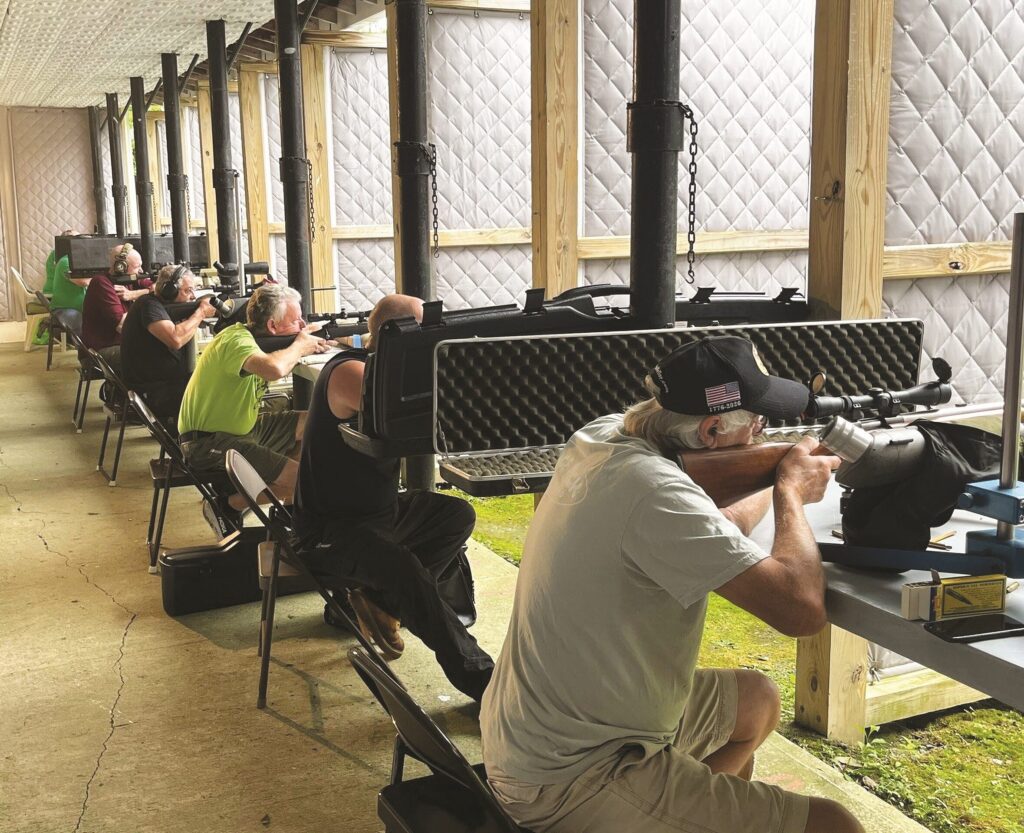
The club has occupied three locations in its history, settling into its current home on Wyatt Road in Middletown in 1953. It counts between 650 and 700 members, a number treasurer Bob King says has held steady for years.
The typical rifle competition runs 40 shots —10 each standing and seated, plus 10 more lying down for rapid fire, and another 10 for slow fire. Pistol shooters, meanwhile, compete weekly against about 10 other Rhode Island clubs in the Ocean State Pistol League. The local club also features a free junior program, complete with loaner rifles and safety attire.
“If you belong to the Newport Rifle Club and you don’t have fun, it’s your fault,” says King, pointing to the club’s packed calendar, which includes an in-house winter league he has run for three decades. Members celebrated the club’s 150th anniversary on Aug. 23 with a memorial shoot honoring Farrow, its founder. Competitors fired at plastic coin replicas that shrunk from the size of a half-dollar down to a dime as the match progressed. The average yearly dues are $160, with a 50 percent discount for spouses.
THE NATIONAL TENNIS CLUB
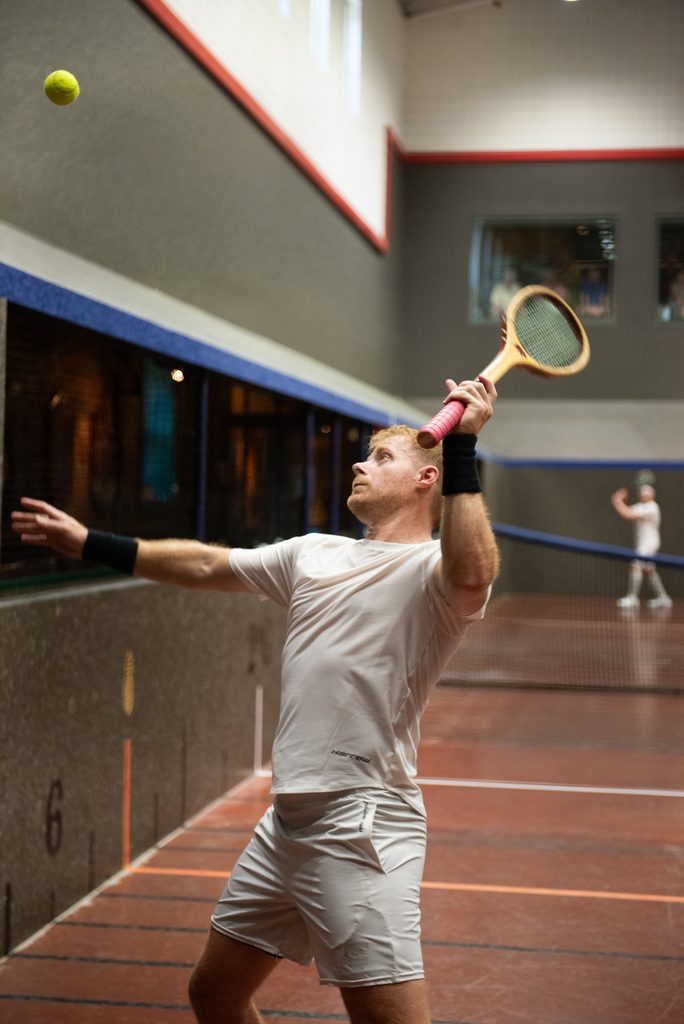
The rifle club isn’t the only historic club on Aquidneck Island. The National Tennis Club features the country’s oldest court tennis court, which was built in 1880 on the grounds of the International Tennis Hall of Fame. The court was rebuilt after a series of fires in the 1940s.
“We’re a proud part of the Hall of Fame, but we are not the usual part that people think of when they come,” explains Josh Smith, the club’s head court tennis professional, who came to Newport after running a club in the United Kingdom. “Obviously people envisage the grass courts. And we kind of predate all of those,” he says.
Court tennis traces its roots back 800 to 1,000 years, to a Western European hand-and-ball street game the French still call jeu de paume, or “game of the palm.” By the 1500s, the sport was so popular among European aristocracy that Paris alone had more than 250 dedicated courts.
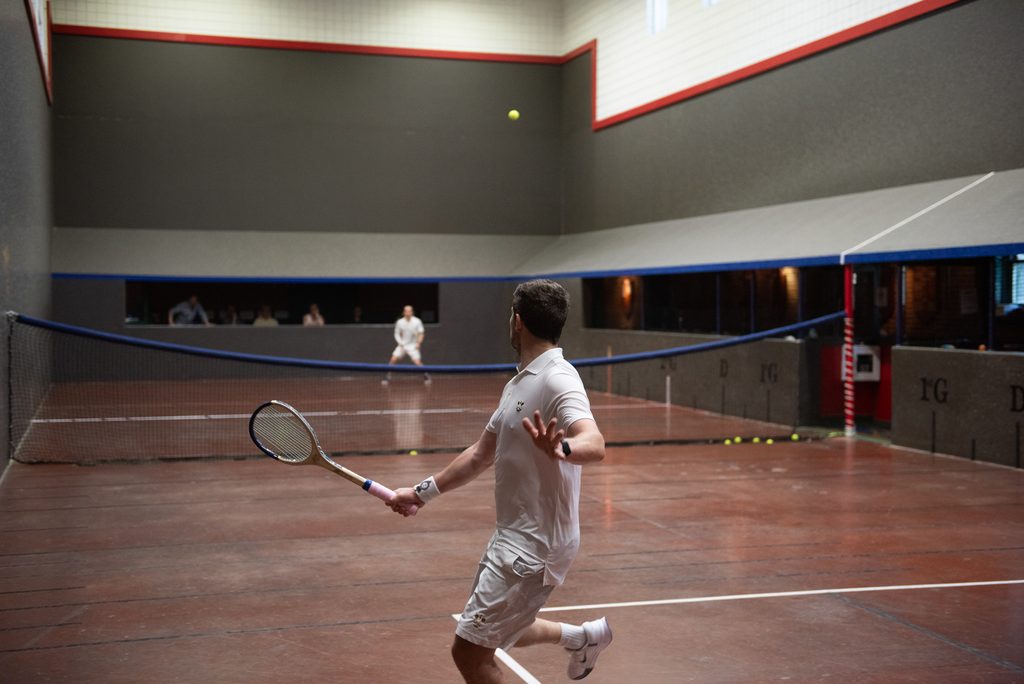
Today, fewer than 50 remain in the world. The sport retains many of its traditional elements, including the complexities of the game. Picture an enclosed court with four walls, three of them topped with sloped roofs called “penthouses.” Lines, each numbered or named, run across the floor from left to right, and there are many ways for a point to be scored— and defended.
“There’s a bit more strategic and tactical depth of the game because it’s not just ‘in’ and ‘out,’” Smith says. “I can play the same shot four different times in a match and have four different outcomes.” The balls and racquets are still handmade — Smith was crafting one during his interview for this story, ahead of the Pell Cup. That tournament draws entrants from around the world and is considered one of the club’s marquee events. The National Tennis Club also hosts the U.S. Professional Singles championship, the Schochet Cup, and just last year hosted the World Championship.
With 250 members —about 80 play regularly —and a court booked most days from 7 a.m. to 10 p.m., the local club is among the busiest court tennis facilities in the country, according to Smith. Memberships range from the $340 social tier, which doesn’t cover court fees and works well for the occasional player, to a $2,400 full membership.
“The game does a pretty good job of selling itself,” Smith says. “I genuinely say this to people who are trying the game. They get one warning because it’s really addictive, and after that they’re on their own.”
ST. COLUMBA’S CRICKET CLUB
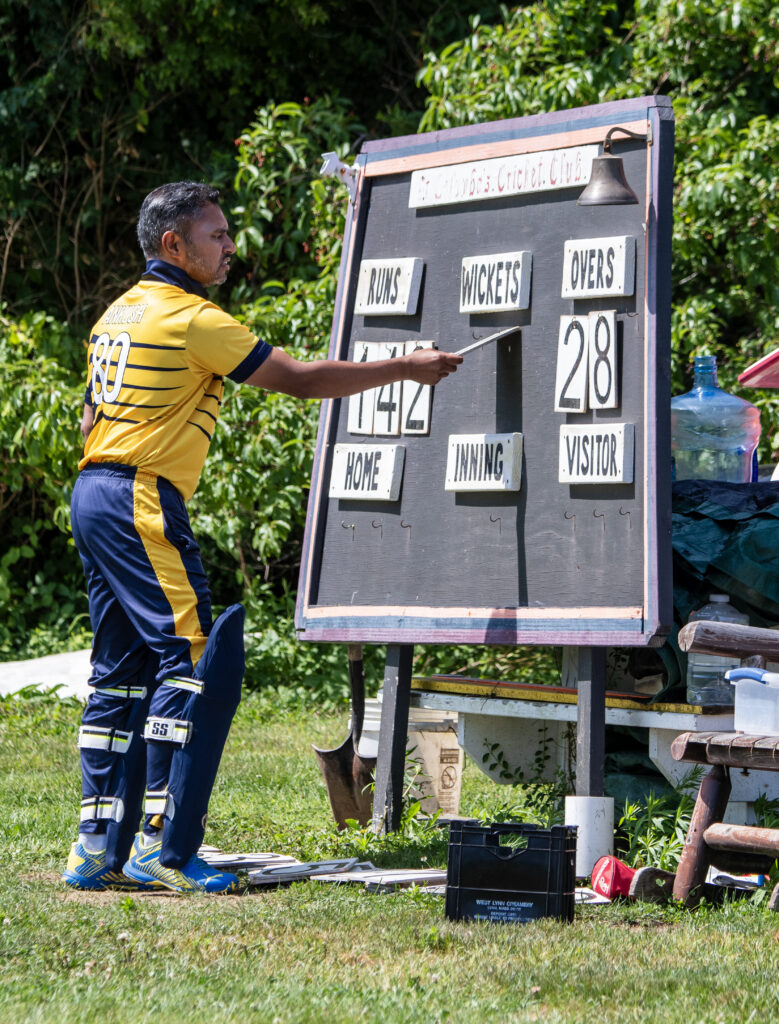
Tucked off Third Beach Road in Middletown, the Dr. Arnow Cricket Field has been the home ground of St. Columba’s Cricket Club since the early 2000s. The club was founded in 1993 by the late Tony Fairchild, a member of St. Columba’s Episcopal Church, who invited fellow parishioners and Newport locals to play on a nearby farm.
Three decades later, the club schedules 35 to 40 matches a season, which runs from mid-April through October.
“In India, it’s not the national sport, but it might as well be,” says club secretary Amitabh Sheth, who grew up playing cricket in India and joined St. Columba’s after moving to Rhode Island in 2005. “It’s like a religion.”
The club draws members from across South Asia, the Caribbean, and England, along with a smaller number of American-born players.
Members play two distinct types of cricket over the course of the season. Most weekends, the club fields a team in the Massachusetts Cricket League and plays with a white ball while wearing color uniforms. But the club also holds onto an older tradition of red-ball matches, where players in all-white uniforms compete against other clubs that keep the format alive.
Dues this year run $400,which covers both league play and weekly red-ball matches; $200 covers red-ball matches only.
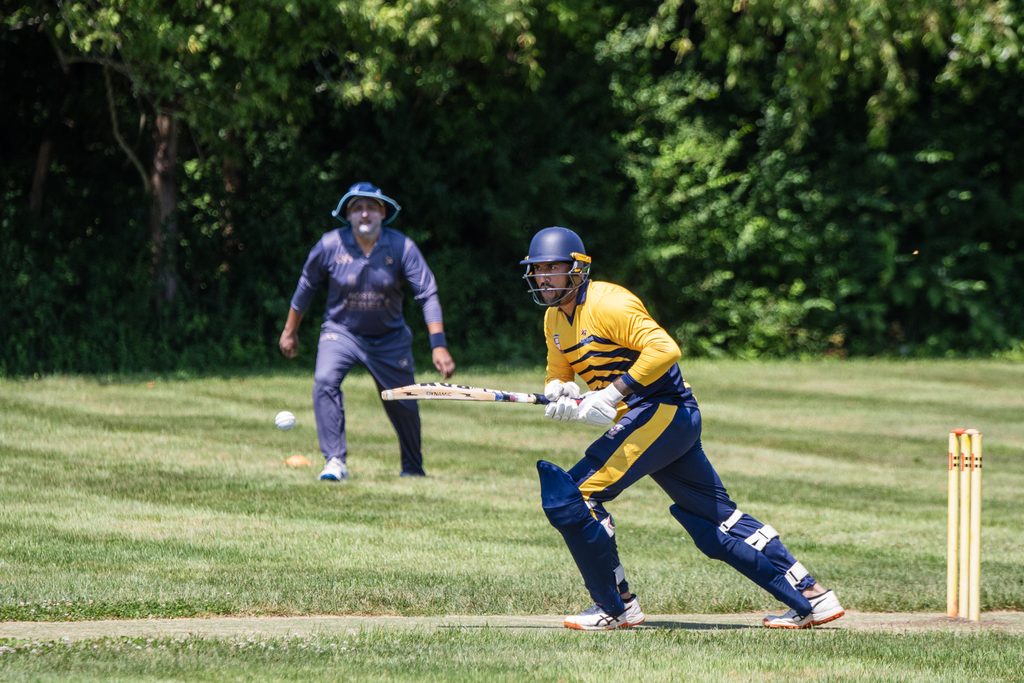
NEWPORT RUGBY CLUB
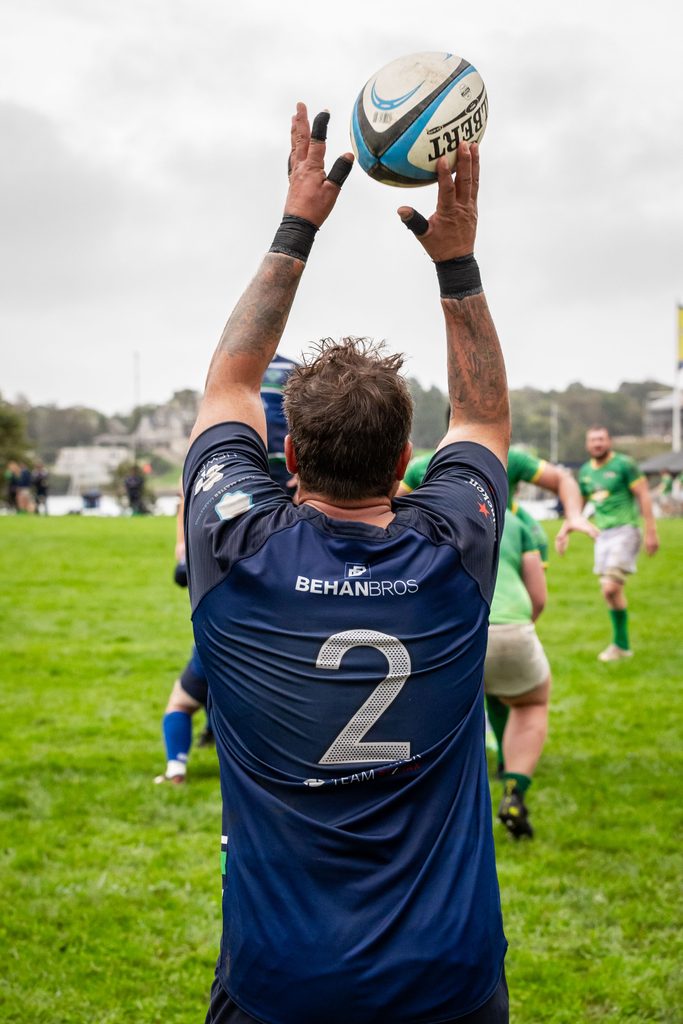
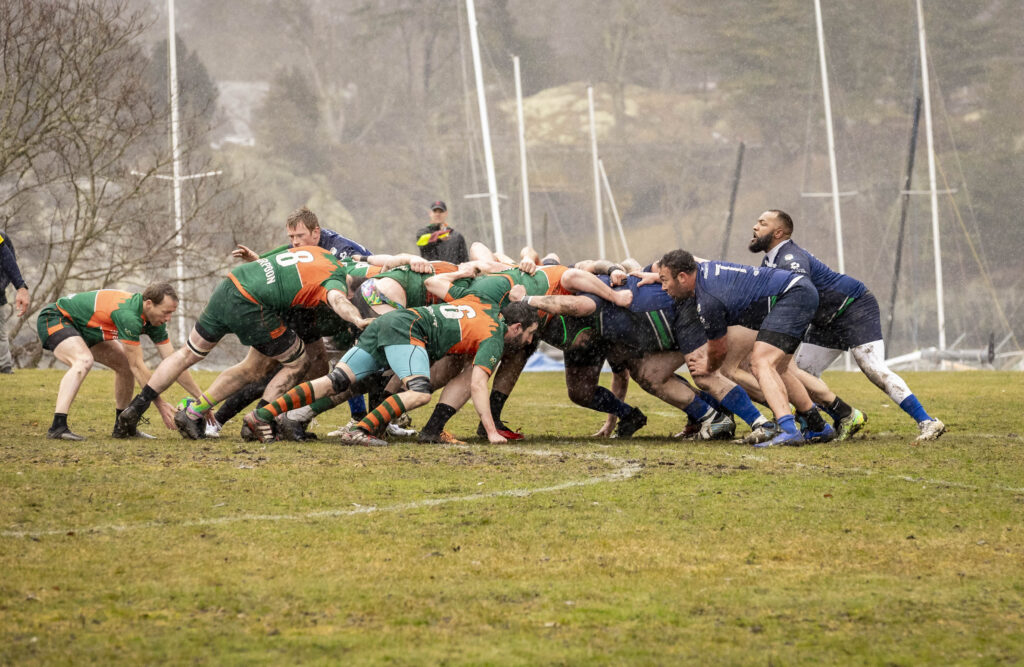
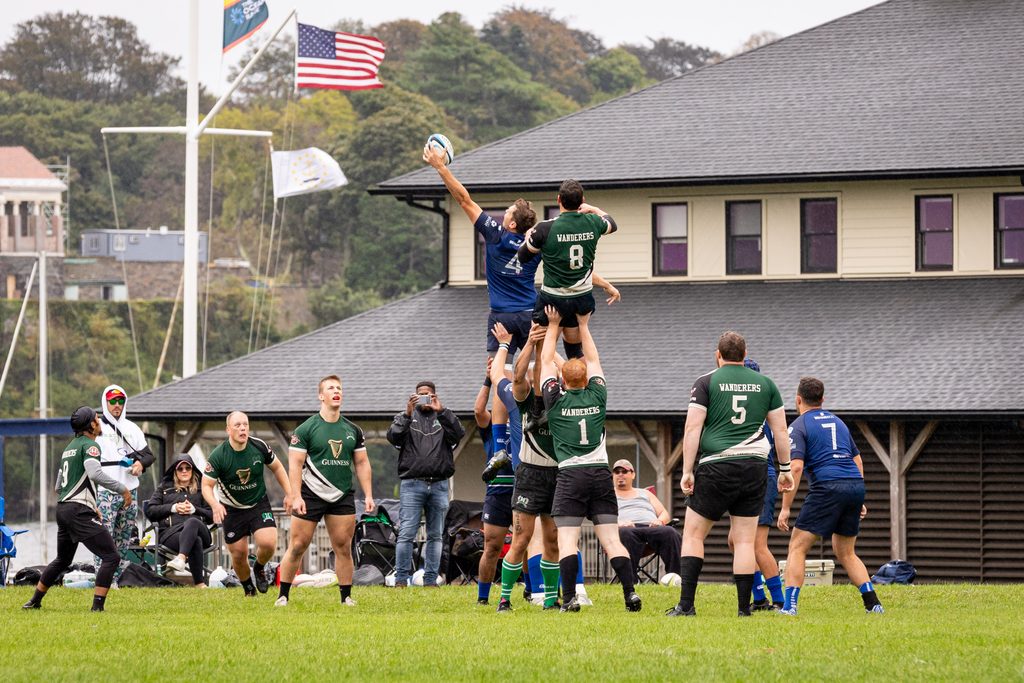
Founded in 1980 by a group of local players, Newport Rugby fields a roster of 20 to 25 active players out of Fort Adams State Park.
The club plays two versions of the sport, based on the season. Traditional 15-a-side rugby fills the fall regular season, with league matches against New England Rugby Football Union (NERFU) opponents from as far away as Portland, Maine, and Albany, N.Y. Spring’s the season for a rivalry match against Providence to claim an unofficial Rhode Island championship (there’s a regional playoff bracket), and teams that advance far enough in the playoffs may compete for a national title (and then there’s a national playoff bracket) the following spring.
Come summer, the clubs witches to Rugby Sevens, a faster, more open version of the game with seven —instead of 15 — competitors each side playing shorter halves. Each June the club hosts the popular Newport 7s tournament “Rugby by the Sea,” which is part of a broader NERFU summer series that draws dozens of visiting teams to Fort Adams.
Club President Chris Sarro says he discovered the group almost by accident. He struck up a conversation with a stranger after an alumni game and showed up days later to team practice wearing sneakers and gym shorts. “The community with the club was something that I had been looking for in Newport,” he says, “and hadn’t found until I started playing rugby.”
Dues run $100 a year, and playing on the team carries real risk. Sarro counts a torn rotator cuff, a broken leg, and a separated shoulder among the injuries he’s suffered over 14 seasons. And despite the blood, bruises, black eyes, and broken bones, he continues to stand with the team.
“Newport Rugby is one of the best decisions I’ve made as an adult,” says Sarro.
GIVE ONE A TRY
To the trained, self-taught, and true novices, each of these clubs welcomes new members with a similar message: Come as you are. All list contact information on their websites, and a single email or phone call is usually enough to get started.
So go ahead — take aim at that dime-sized target, pickup a court tennis racquet for the first time, spend an afternoon swinging a cricket bat, or drop your chin and pack into your first scrum at Fort Adams. Just don’t say nobody warned you that it might become a habit.
For more information on each club, visit their respective websites: newportrifleclub.org, tennisfame.com, ricricket.com, and newportrugby.com.